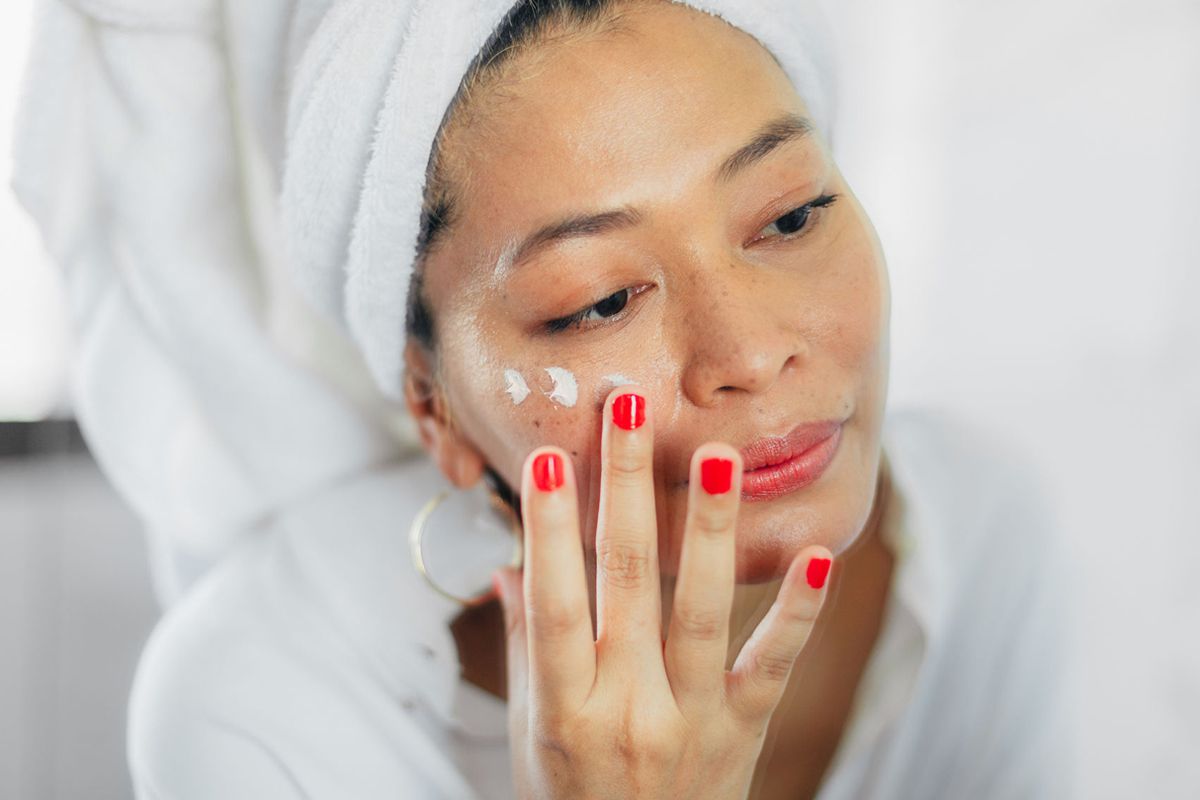
What is retinol?
This substance is a derivative of Vitamin A, which is one of the most popular dermatological ingredients. Retinol is pharmaceutically classified as part of the retinoids family. Retinoids are constantly used for specific dermatological affections and diseases. Retinol first appeared on the market in 1970 as an ingredient in the topical treatment of acne; retinol prevents pores from clogging, therefore proving very useful in the treatment of acne and blackheads.
Retinol is very effective in promoting a faster cell turnover, meaning that younger cells replace dead ones more quickly, thus renewing the skin layers and rebuilding the healthy collagen structure.
This whole process means that your skin gains a more even, youthful, and elastic complexion, fighting against the surfacing of new wrinkles.
What is it used for?
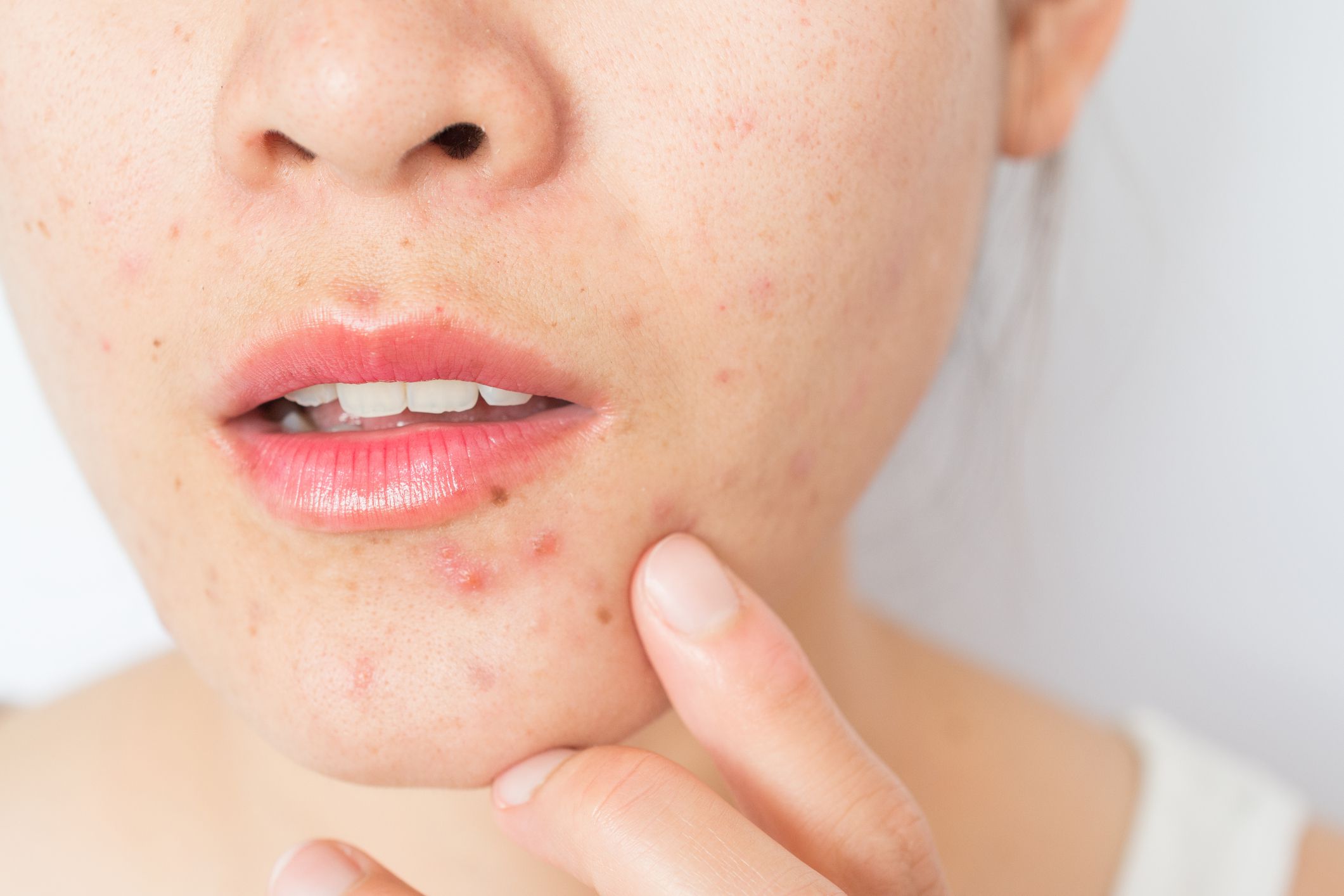
As previously mentioned, this substance is very useful in the treatment of acne but dermatologists also recommend it for:
-acne-prone skin
-uneven skin texture
-fine wrinkles and premature aging
-spotting and uneven skin tone
Additionally to these affections, retinol can also prevent the emergence of the first wrinkles. The collagen structure of skin starts to degrade at the age of 25. It may sound frightening but much can be done to prevent it. There are many creams, lotions, and serums that now include retinol; you just have to choose the perfect one for you.
In general, small quantities of retinol are more than enough to help your skin. You can easily find these products in a drugstore and even in a supermarket. A higher percentage of retinol is prescribed by a dematologist and is discommended for use without approval.
What product to use?

You should choose a product based on your personal needs. Like previously mentioned, small percentages of retinol are for preventive use and finer lines, therefore being perfect for younger skin. Higher percentages will work on deeper wrinkles and visible spotting. But keep in mind that you should take time to accommodate your skin to the retinol products. Try to choose a formula that suits your routine and which you know you will use constantly.
Keep in mind that even though it has very powerful properties, it is still a topical treatment and must be allowed time to work. Products with a smaller percentage of retinol will take longer to work but with fewer side effects, while those with higher doses tend to work faster.
Side effects of retinol can include an allergy or irritation such as a rash, burning, itching, and probably the most common is sensitivity to the sun. Regardless of the concentration of retinol, you should always apply an SPF sunscreen. In addition, you should start with 2-3 applications per week in the first month and then increase the rate.
Retinol can be an amazing ally for your skin complexion, provided that you follow all thedermatological recommendations and advice.
References:
https://www.ncbi.nlm.nih.gov/pmc/articles/PMC2699641/
https://jamanetwork.com/journals/jamadermatology/fullarticle/412795